The Role of an Advanced Driving Instructor in Safe Driving Practices
Passing the test is the instructor’s smallest job. The real one is turning out a driver who’s still safe on a wet Tuesday three years from now, when nobody’s watching and the good habits are all that’s left.
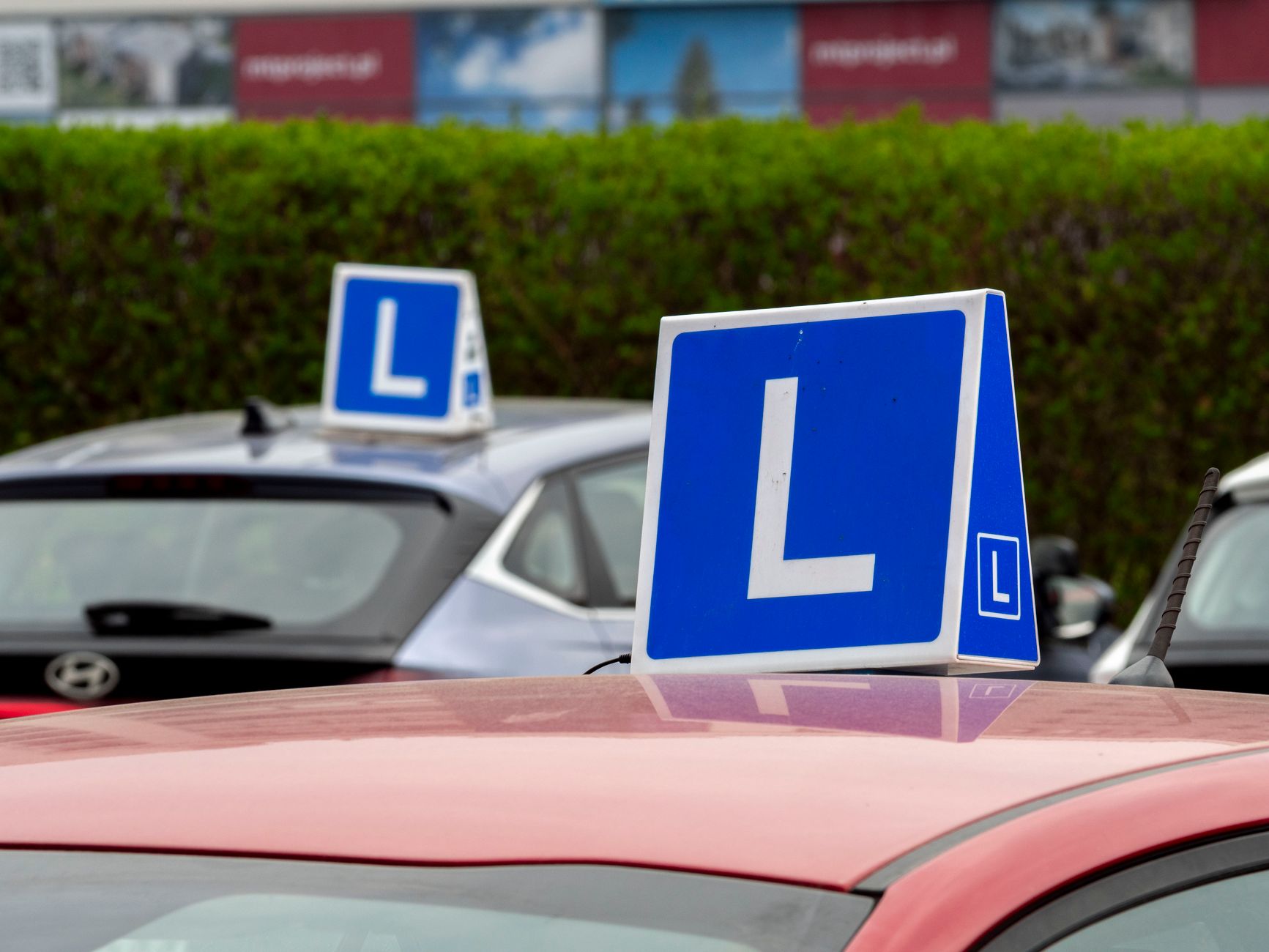
Anyone can coach a learner to scrape through a test. The value of a proper instructor is everything the test can’t measure: the reading of the road, the control of the car, the habits that only prove their worth in the moment they save you.
Reading hazards before they’re problems
A learner reacts to what’s happening. A driver sees what’s about to. The ball that means a child is coming. The brake lights three cars ahead. The bend you can’t see round, so you’re already off the gas. This is the single most useful thing an instructor teaches, and the hardest to pick up from a parent, because most parents stopped consciously doing it decades ago. It’s the backbone of any real training programme.
Controlling the car properly
Smooth is safe. Jerky steering, stamped brakes, a clutch dropped like a hot pan, all of it costs grip and control you might need later. An instructor drills smoothness until it’s simply how you drive, not something you put on for the test. A driver who’s gentle with the car has more of it in reserve when something goes wrong.
Mirrors checked and understood before you signal, and signalled before you move. The two-second gap everyone knows and nobody keeps. Speed matched to the road you can see, not the limit on the sign. Belt on before the key turns. Boring, all of them, and every one has saved a life that a flashier skill never would.
Why it lowers the risk
The newest drivers are the most over-represented in the worst crashes. That’s not an insult, it’s the plain data, and it’s the whole reason the N-plate rules exist. Good early instruction is the direct answer to it: build the reading and the control and the habits while they’re easiest to set, and you take a genuine chunk out of that risk. That’s the job, sitting under the passing.
Which is why the instructor matters
All of this depends entirely on the person beside you being good, which is why picking the right one isn’t fussy, it’s the whole decision. The register is the floor. The teaching is the thing. Steer clear of the easy early mistakes, and whether you learn manual or in an automatic, judge the instructor, not the postcode.
The test is a morning. What a good instructor builds is meant to outlast every car you’ll ever own.