The Importance of Seat Belts: Statistics and Stories
The seat belt is the single most effective thing in the car for keeping you alive, it costs nothing, it takes a second, and people still skip it for a two-minute drive to the shop. That's the whole tragedy in one sentence.
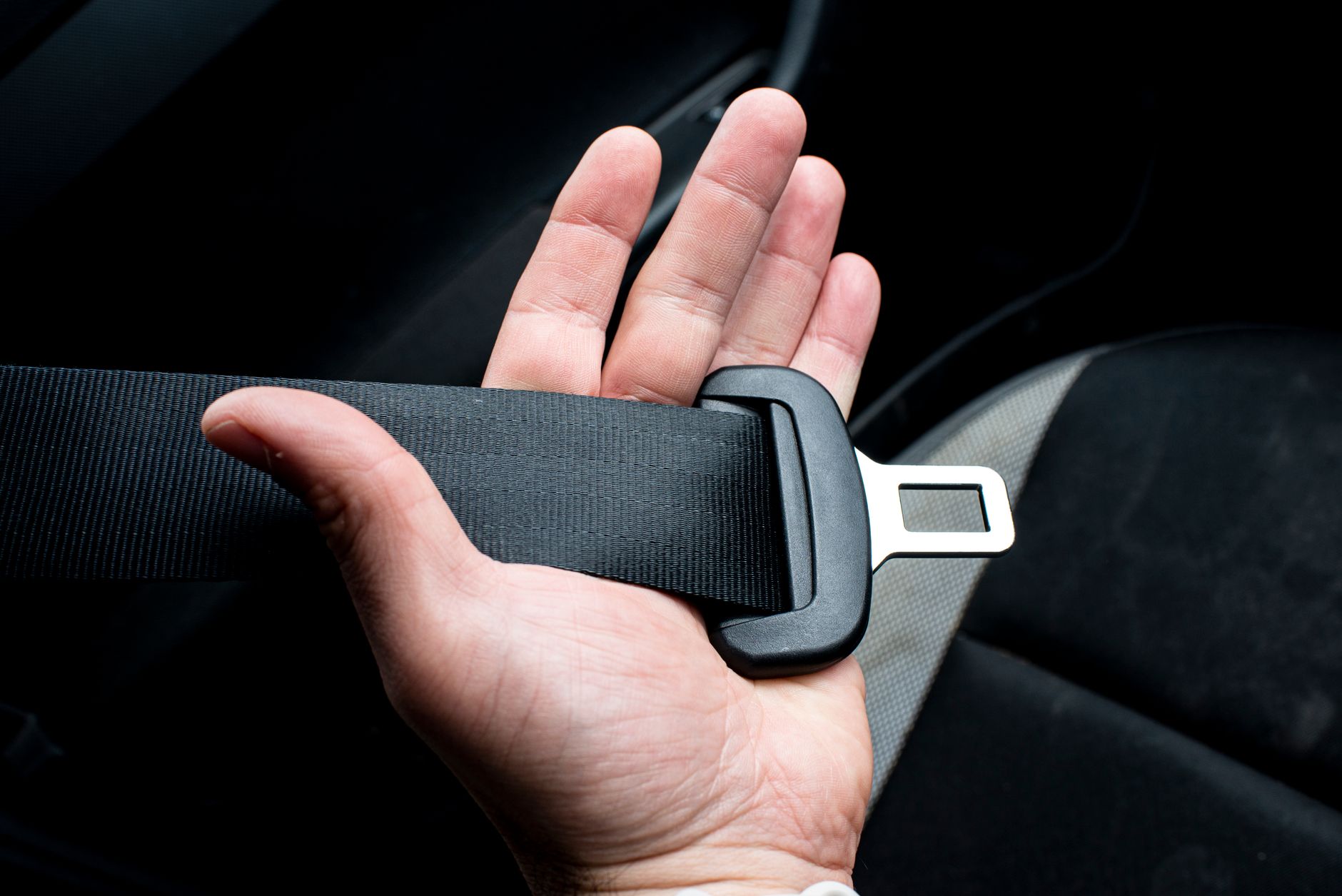
I'm not going to lecture you and I'm not going to scare you. I'm going to tell you what the belt actually does, because once you understand the physics you stop arguing with it.
What a crash does to a body
When a car stops suddenly, everything inside it keeps moving at the speed it was going. That includes you. Without a belt, the car stops and you don't, until something else stops you: the wheel, the screen, the road. With a belt, you stop with the car, spread across the strongest parts of your body, over the fraction of a second the belt and the crush of the car buy you. That fraction of a second is the whole game.
An airbag is designed to work with a belt, not instead of one. Unbelted, you hit the airbag as it's still coming out, at speed, and it can do you real harm. The belt holds you in the seat so the airbag can do its job. One without the other is half a system.
The numbers, straight
Belts prevent a large share of deaths and serious injuries in crashes. That's not a slogan, it's decades of crash data from everywhere belts became law, and the effect is huge and consistent. The RSA didn't make it compulsory to annoy you. They made it compulsory because the figures on belted versus unbelted are about as one-sided as road-safety numbers ever get.
The back seat is not exempt
The myth that back-seat passengers are grand unbelted is a dangerous one. An unbelted person in the back becomes a projectile in a crash, and can kill the person belted in front of them. Everyone in the car, every seat, every journey. Yes, the short one to the shop, because most crashes happen close to home on roads people know.
Make it the first thing, not a decision
The drivers who never forget are the ones for whom it isn't a choice, it's the first move after the door shuts, before the key. Build that as a learner and you'll never have to remember it, because your hands will do it for you. It's the same as every other good habit: set it early, on the same list as the basics you sort before you've driven a metre, and it lasts. And it holds in any car, automatic or manual, new or old.
The car stops. You don't. Something else stops you then, and it's harder than a strip of woven belt.
A second to click it. Everything to skip it. That maths never changes.