Parallel Parking by Reference Points: What to Watch
Everyone dreads the parallel park. Fair enough. You are going backwards into a tight gap with someone watching, and it feels like it should be harder than it is. Here's the good news, and there is good news: once you know the two or three things to watch out the window, it stops being a guess and turns into a routine you can trust.
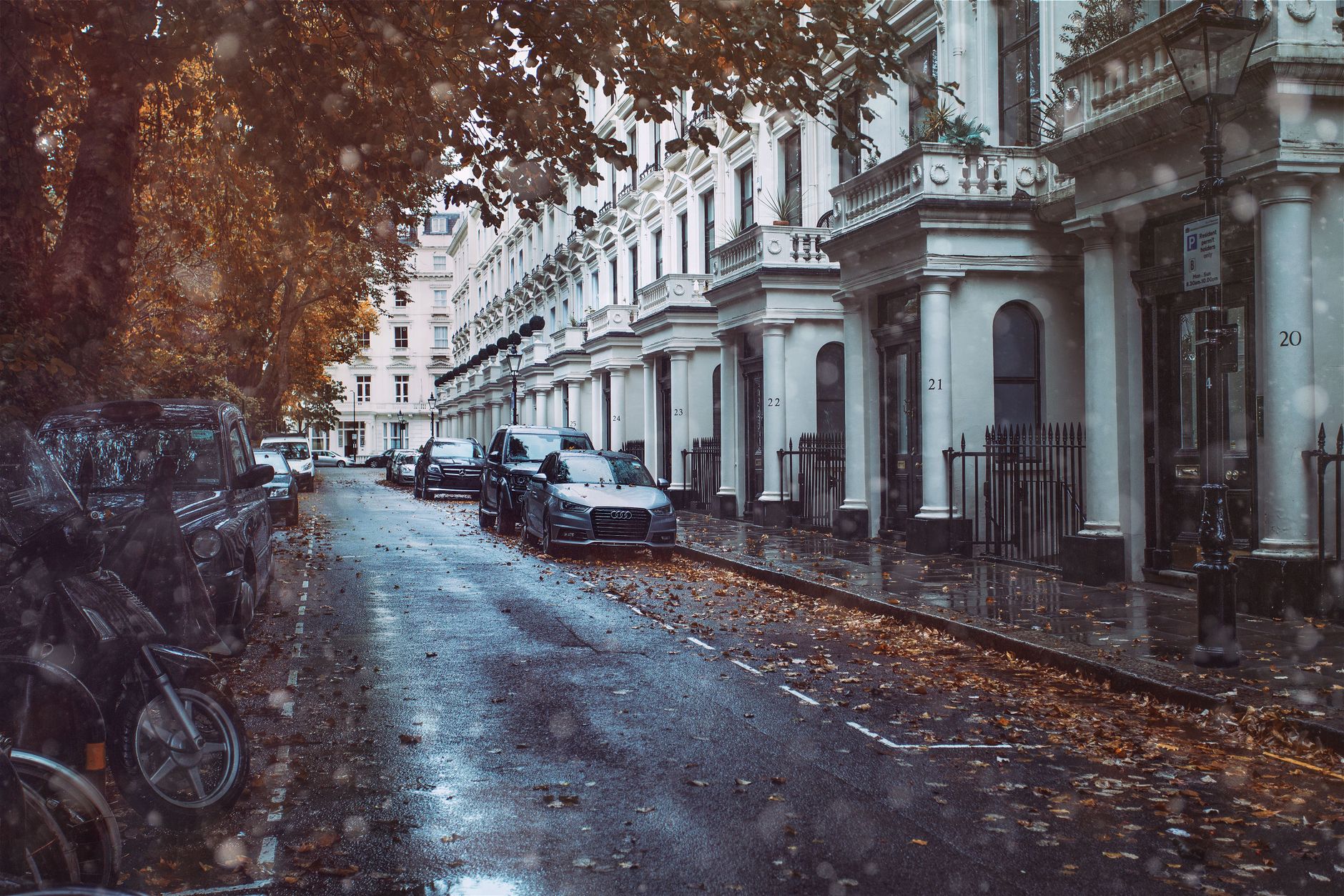
The bit people miss is that a good parallel park is not a memorised set of wheel-turns. It is a small handful of things you can see, lined up in order. Learn to read them and the manoeuvre reads itself.
The cues you actually watch
Three things, and not one of them is a stopwatch. Your door mirror, where the far kerb will appear as you swing in. The back of the car you are parking behind, which tells you when to start turning. And the kerb itself in that mirror, which tells you when you have come up straight. Watch those, not the clock, and definitely not a lamppost you once lined up in one particular car park.
Walking it through by eye
Draw up beside the car ahead of the space, roughly half a metre from it, and stop. You are after about a length and a half of car to play with. Have a proper look in your mirrors and over your shoulder first, and a good glance down your left for anyone on a bike, because you are about to move back into the road. Then, watching rather than counting:
- Ease back until your rear seat draws level with the boot of the other car, then full lock in towards the kerb.
- Now watch the door mirror. When the far kerb slides into view at around forty-five degrees, that is your moment.
- Straighten up and keep easing back until the car is sitting parallel with the kerb.
- A gentle turn the other way to bring the nose in, then line up straight and check the gap you have left.
Slow the car, quick the hands. The wheel spins while the car barely creeps along, and that gentle pace is what makes the whole thing feel easy. Now. Let's sort the rest of it.
No drama at all. The three that catch people are misjudging the gap at the start, turning the wheel while the car is standing still, and panicking into too much steering when the line is slow to come. If it is not looking right, just pull forward and go again. There is no shame in a second go, and nobody minds a learner taking their time over it.
Fixed points beat a memorised turn
The exact spot to turn changes with the car and the size of the gap, so a remembered move only ever works in the one place you first practised it. Learn what a good line looks like in the mirror instead, and it travels with you to any car and any street. That is the sort of habit the pre-test sessions drill into you until you no longer have to think about it.
Let the sensors help, but you are the driver
Cameras and beepers are grand, and fair play to them, but they are a helping hand, not a set of eyes. On a tight street, and on the day, it is still your mirrors and your own judgement doing the real work. Lean on the tech too hard and you will be caught out the first time it is not there. Practise on quiet real streets with parked cars and it stops being a dread. Rush it and it lands on the pile of avoidable slip-ups that cost a test for no good reason.